
Scaling F&B - Death by a Thousand Small Compromises
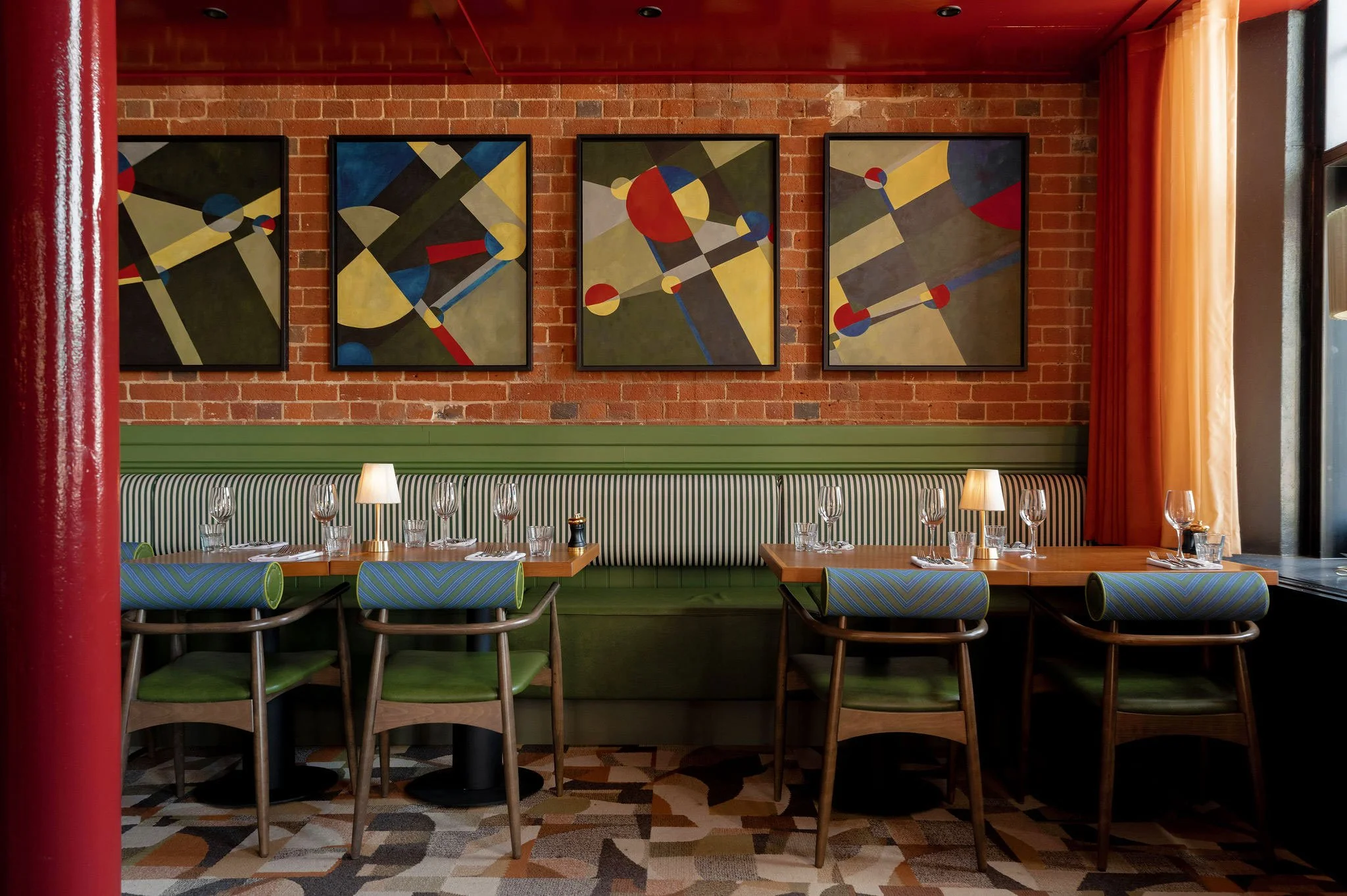
One of the greatest threats to a successful hospitality brand rarely arrives in a single, dramatic moment. Instead, it happens imperceptibly and without anyone necessarily noticing.
A cheaper chair because the original is no longer available, a different supplier, a menu that's just a little more crowded, a member of staff who was never quite inducted into the culture, a small operational shortcut or a lighting specification that changes to save money. None of these decisions feels significant on its own.
In fact, most of them are entirely reasonable. But over time, they accumulate.
The hospitality businesses we admire are rarely defined by one extraordinary feature. They are remembered because every element works together to create a feeling. The design, the service, the music, the food, the language, the lighting, the atmosphere. Remove one piece and little changes. Remove fifty, and you've created something else entirely.
The difficulty is that this change is almost impossible to notice while it's happening. It happens over months, sometimes years.
Each compromise feels isolated, justified by circumstance or necessity. Only when you look back do you realise that the thing people originally fell in love with has quietly disappeared.
This isn't really a design problem. It's a leadership problem.
As hospitality businesses grow, founders naturally spend less time on the floor. New managers join, teams evolve, multiple sites open. Decisions become distributed across more people. Without meaning to, the original intent becomes diluted. Not because anyone wants to change it, but because fewer people understand why it mattered in the first place.
The strongest hospitality brands recognise this.
They don't try to eliminate change - that would be impossible. Businesses have to evolve. Instead, they define the principles that should never change.
Not a rigid rulebook, but a shared understanding of what the brand stands for. The behaviours that matter, the atmosphere you're trying to create, the standards that are non-negotiable. The decisions that should always be filtered through the same lens.
Culture, in this sense, becomes the mechanism that protects identity.
Design has a role to play too. The physical environment can reinforce these principles, making them tangible for both guests and teams. But it cannot preserve them on its own.
Ultimately, hospitality is built through thousands of decisions made every day. When those decisions are guided by a clear set of principles, a business can grow without losing itself.
Without them, the compromises continue to accumulate until one day the question isn't why guests stopped coming - it's at what point did the place they love ceased to exist.
If you're exploring the future of your F&B offering, we’re always open to a conversation.
