
The Rise of Wellness in Hospitality
For decades, hospitality has been closely associated with indulgence. Large meals, late nights and a steady flow of alcohol have long been part of the experience. But the habits and expectations of consumers are changing, and hospitality is changing with them.
People are drinking less. They're becoming more conscious of what they eat. They are paying greater attention to their physical and mental wellbeing. The rise of no and low-alcohol drinks, healthier menus, and even the growing influence of weight-loss medications are all contributing to a shift in behaviour. The traditional boozy night out is becoming less prevalent, particularly among younger demographics.
For hospitality operators, this raises an important question: what does wellness mean in the context of hospitality?
Historically, wellness in hotels was often confined to a spa, gym or treatment room. It was a facility rather than a philosophy. Today, however, wellness is increasingly becoming a mindset that influences every aspect of the guest experience.
The most progressive hospitality brands are beginning to recognise that wellness extends far beyond fitness and nutrition. It encompasses atmosphere, service, environment and human connection. It is reflected in the way a guest feels throughout their stay or visit.
This shift is creating new opportunities for design.
Rather than simply creating attractive spaces, hospitality designers are increasingly being asked to create environments that support restoration, reflection and wellbeing. Light becomes more important. Acoustics become more important. Materiality, texture, aroma and comfort all contribute to the overall experience.
One emerging trend is what some have termed "analog wellness" - a response to the increasingly digital nature of modern life. Screen-free zones, slower experiences, opportunities for genuine human interaction and a renewed appreciation for simple pleasures are all becoming more valuable. In a world dominated by notifications and algorithms, hospitality can offer something increasingly rare: presence.
This has implications for food and beverage as well.
As drinking habits evolve and guests become more health-conscious, hospitality concepts may need to rethink what constitutes a successful social experience. The future may be less about excess and more about balance. Less about consumption and more about connection. Venues that understand this shift have an opportunity to create experiences that feel relevant to a new generation of guests.
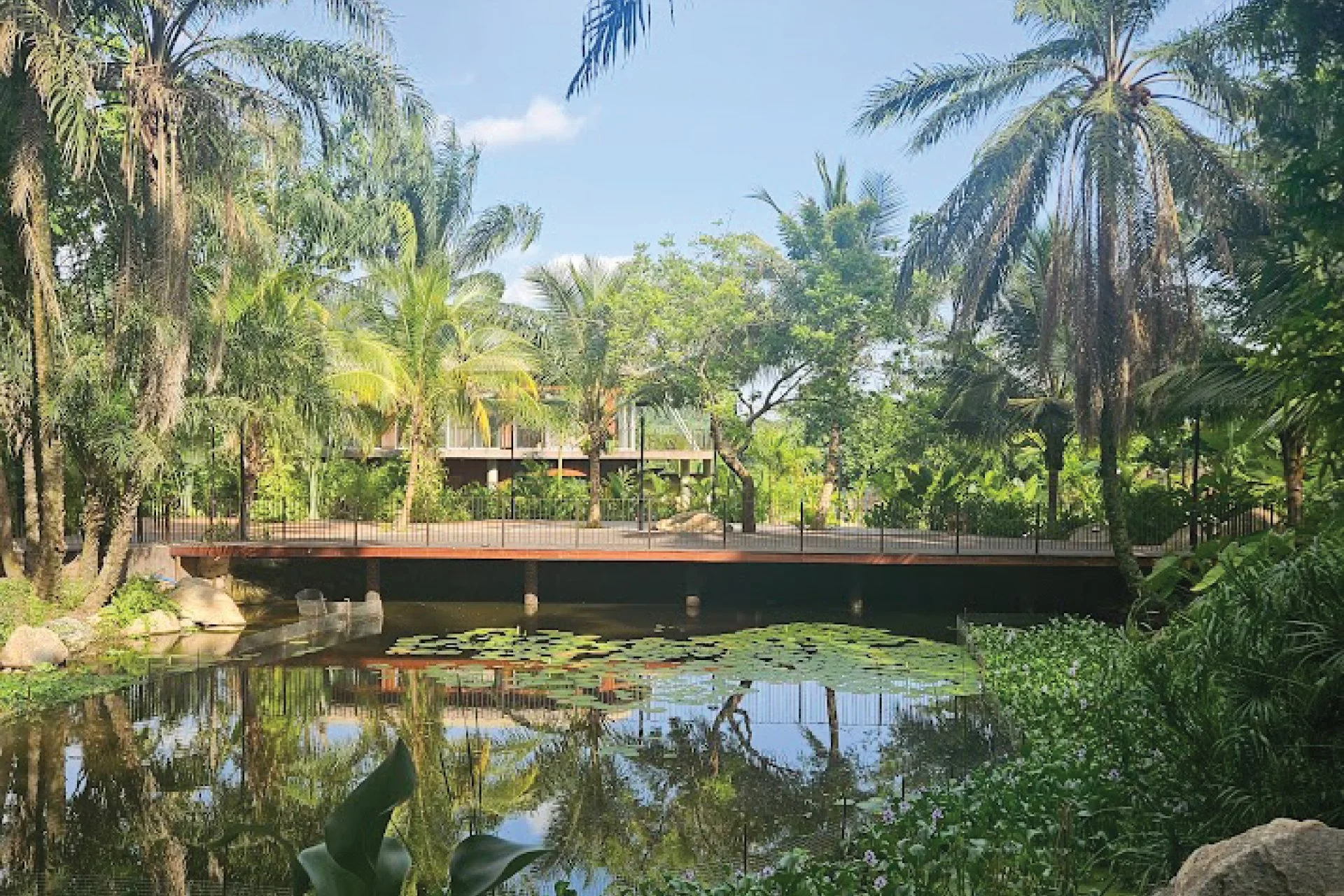
We've begun to see this first-hand in our own work. A recent trip to Ghana to support two new hospitality projects highlighted how wellness can be embedded into the very foundation of a concept. In both cases, wellbeing was not treated as an add-on or secondary offer. Instead, it sat at the heart of the guest experience.
What was particularly interesting was the relationship between hospitality and nature. In many emerging hospitality markets, connection to the natural environment remains an intrinsic part of daily life. The opportunity is not to manufacture wellness through amenities alone, but to create experiences that reconnect people with something more fundamental - nature, community, simplicity and a slower pace of life.
Perhaps this is the real opportunity for hospitality.
Not simply to help people escape, but to help them recalibrate.
As consumers continue to place greater value on wellbeing, hospitality brands that embrace wellness as a philosophy rather than a facility will be best placed to succeed. The future of hospitality may not be defined by indulgence alone, but by the quality of the experiences it creates and the way those experiences make people feel.
Because increasingly, wellness is not something guests do.
It's something they seek.
If you're exploring the future of your F&B offering, we’re always open to a conversation.
