
The Experience Journal, Ghana
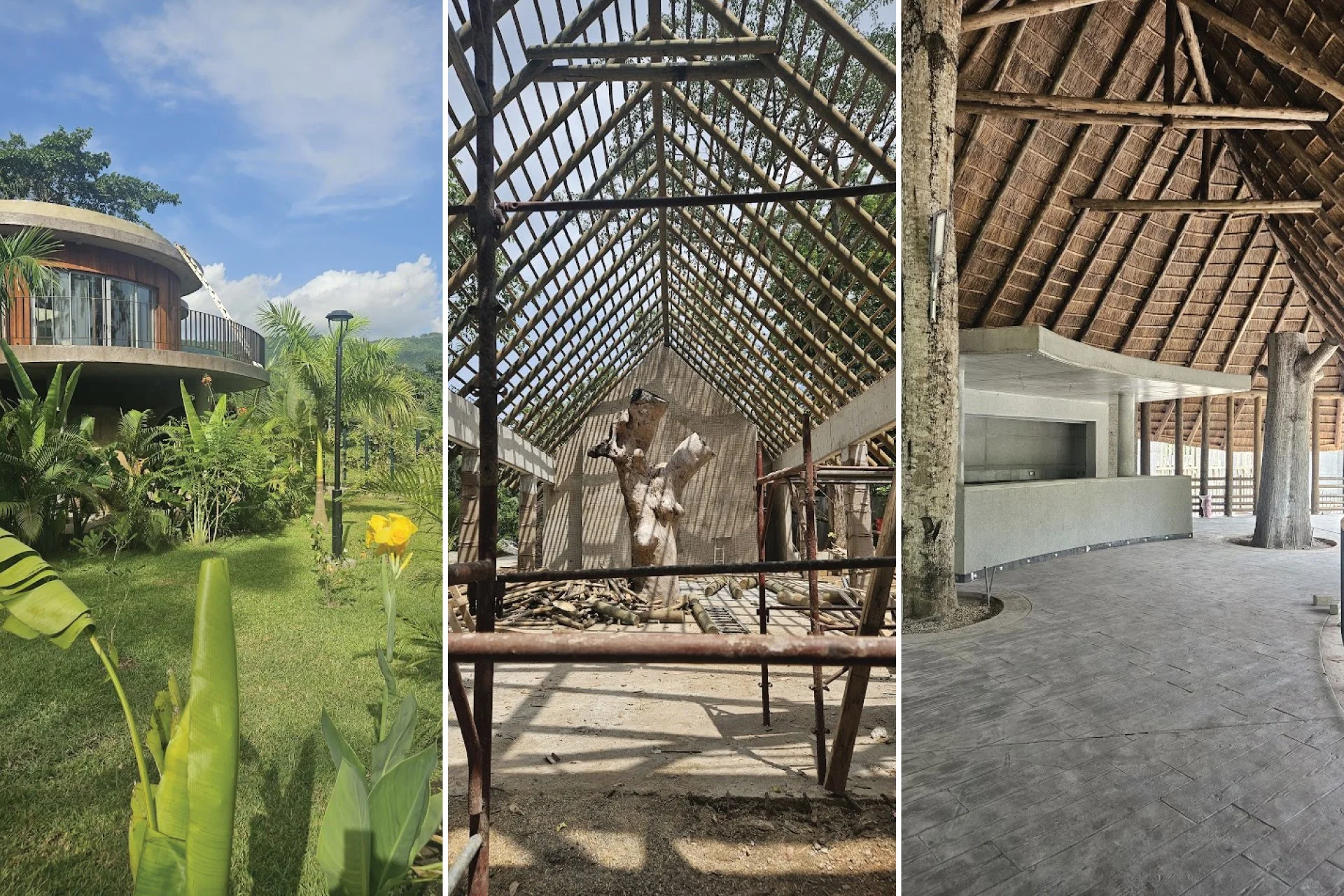
I only spent a few days in Ghana, travelling between Accra, Peduase Valley Resort and a new-build hospitality project nearby. Hardly enough time to truly understand a country properly. But enough to leave with a few observations.
What struck me most was not simply the scale of development underway, but the sense that hospitality in the region is still in the process of defining itself. There is an energy and openness to it - a market earlier in the curve, with the opportunity to shape its own future rather than inherit someone else’s.
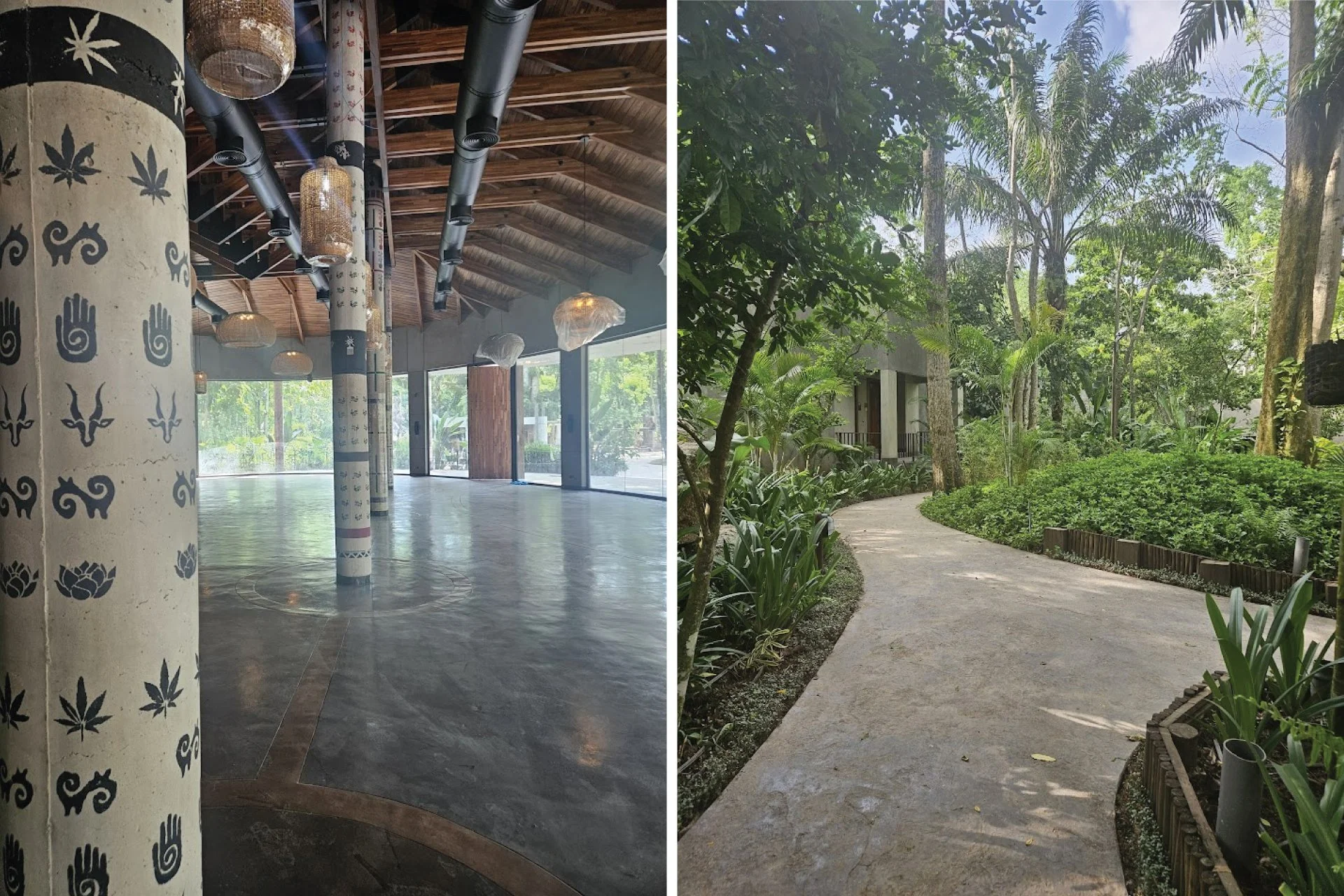
Too often, hospitality design around the world falls into familiar patterns. The same references, the same aesthetics, the same imported ideas repeated from city to city. But emerging hospitality markets have an advantage: the ability to build from a more authentic starting point.
In Ghana, hospitality already exists culturally. Warmth, openness and generosity are embedded in everyday interactions. The challenge - and opportunity - is how those qualities translate into hotels, restaurants and resorts as the sector continues to evolve.
Hospitality has the potential to become a major driver of economic growth across the region. Not simply through tourism itself, but through the wider ecosystems it creates - employment, training, local production, construction, food supply and craftsmanship. Great hospitality projects have a ripple effect far beyond the buildings themselves.
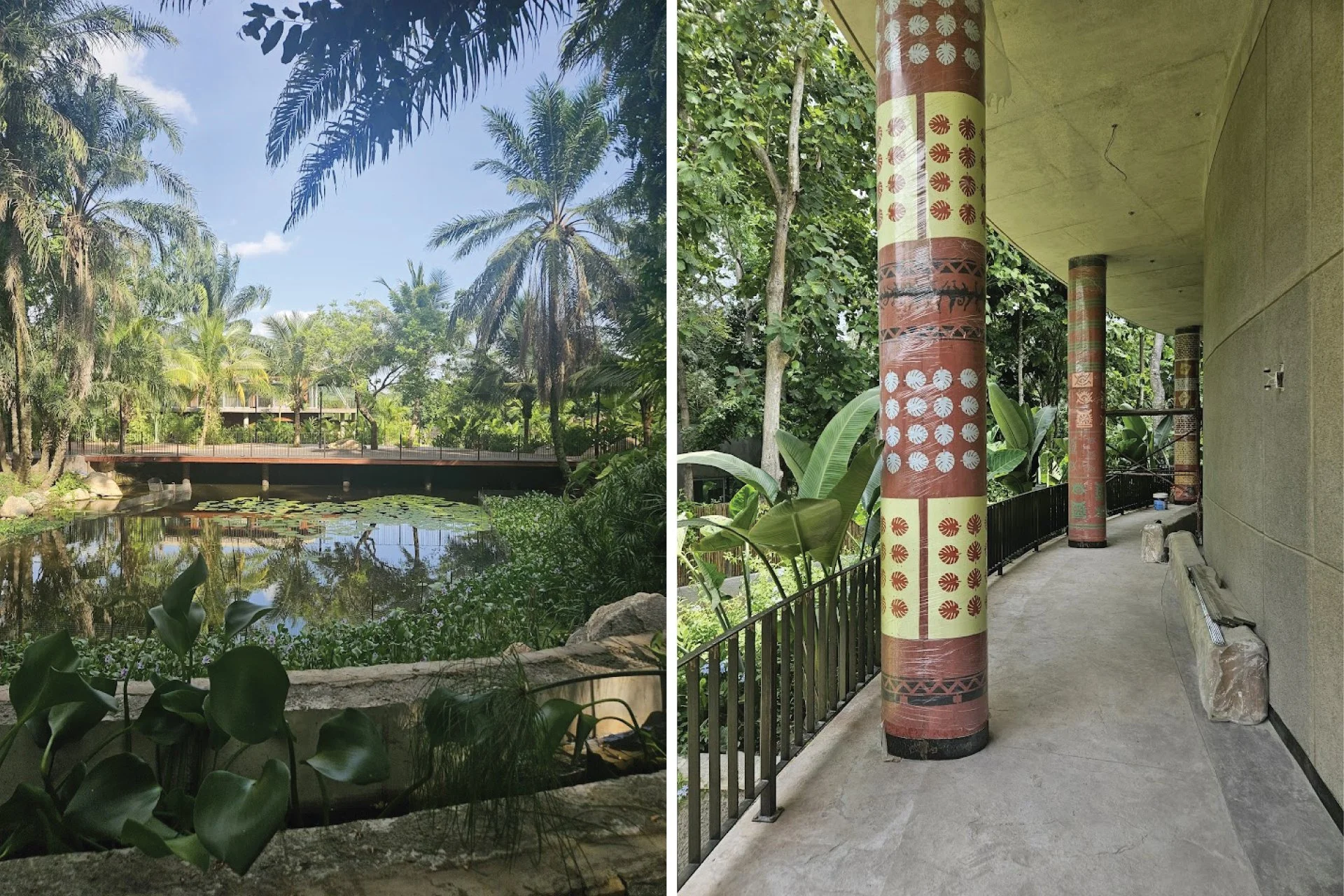
But for that growth to feel meaningful and sustainable, it cannot rely entirely on imported solutions - which is an odd thing to say given I am, in a way, an ‘imported solution’.
One of the most important long-term opportunities lies in building stronger local supply chains around hospitality - supporting local makers, artists, fabricators and producers, and creating environments that feel rooted in their own context and culture.
That was perhaps the most interesting thing about visiting Ghana. It feels like a market with enormous potential, but also one still writing its own story. There is freedom in that. Freedom to experiment and build places that feel genuinely distinctive rather than globally interchangeable.
As designers, there is a lesson in that too. Hospitality should not simply be about aesthetics or spectacle. At its best, it becomes a reflection of culture, identity and human connection. And as designers, how we facilitate the outcome to retain their own sense of themselves.
Every memorable hospitality experience starts with a strong story.
At Faber and Company, we design hospitality brands and interiors across the UK and internationally, helping operators create places people genuinely connect with and return to.
Have a project in mind? We’d love to hear from you.
